Iran Executes at Least 24 in 48 Hours Amid Escalating Repression — Ahwazis Fear Rising Political Killings
 Hussain Hazbavi
Iranian authorities carried out at least 24 executions in just two days, marking one of the most intense waves of capital punishment seen this year, according to reports from human rights monitors. The killings averaging one execution every two hours took place on Saturday and Sunday in prisons across the country.
The figures were released by the US-based Human Rights Activists News Agency (HRANA) and Iran Human Rights (IHR) in Oslo. Iranian state media acknowledged only a single case, continuing the regime’s longstanding practice of concealing mass executions.
Most Executions Hidden — Political Prisoners at Highest Risk
According to the groups, 23 individuals were executed on murder or drug-related charges, while one person was hanged in an “economic corruption” case publicly confirmed by the judiciary.
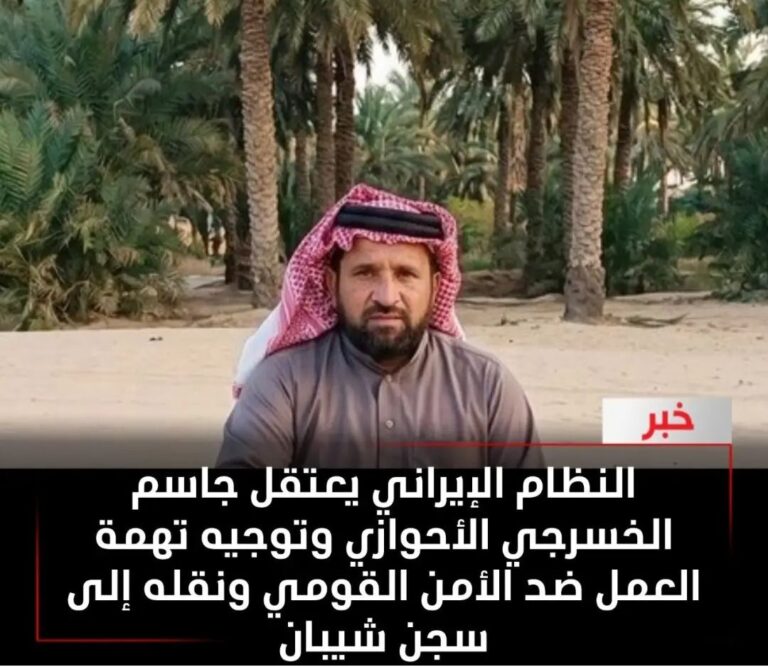
But rights defenders warn that Iran routinely labels political detainees especially activists from Al-Ahwaz as criminals in order to mask politically motivated executions.
Human rights organizations say this latest wave fits a larger pattern: rapid, unannounced killings to crush dissent and intimidate ethnic minorities, including Arabs in Ahwaz.
Impact on Al-Ahwaz: Fear, Silence, and Targeted Repression
In Al-Ahwaz, where authorities have tightened security in recent months, families of detainees fear that more Ahwazi political prisoners may be among the unnamed victims.
The region has a long history of secret executions, particularly targeting activists accused of resisting state discrimination.
Local activists warn that Tehran often escalates executions during periods of economic crisis or political pressure, using fear to prevent protests. With Iran facing currency collapse and rising internal tensions, Ahwazi prisoners of conscience could face heightened danger.