Hussain Hazbavi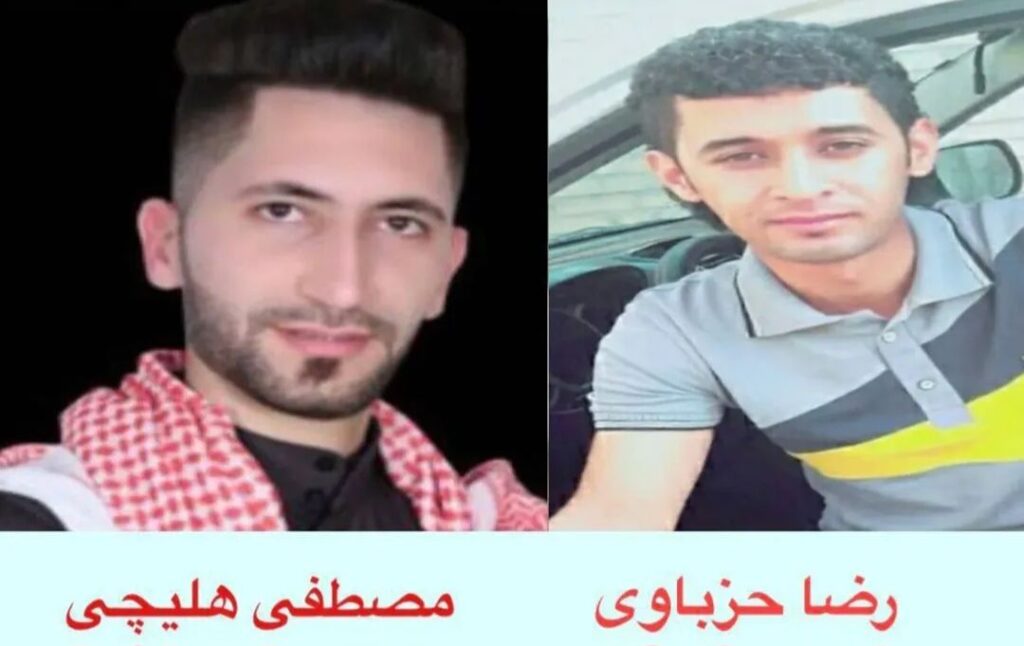
Reza Hazbavi, an Ahwazi Arab cultural activist, along with poet and activist Mustafa Helichi, has been sentenced by Branch 3 of the Ahvaz Revolutionary Court to long-term imprisonment following their arrest in 1403.
According to the court’s verdict, Mustafa Helichi was sentenced to 13 years of conditional imprisonment 10 years for “forming an opposition group” and 3 years for “membership in opposition groups” in addition to a two-year ban on certain social and civil activities. Reza Hazbavi, who was tried in the same case, faced similar judicial proceedings under the same security-related charges.
The case was initially investigated by Branch 13 of the Ahvaz Public and Revolutionary Prosecutor’s Office, led by interrogator Saeed Liraki, and later referred to Branch 3 of the Revolutionary Court, presided over by Judge Rashid Kiani Deh Kian. The judge is known for issuing heavy sentences against Arab Ahwazi activists, cultural figures, and protesters, and has been repeatedly criticized by human rights organizations.
Reza Hazbavi and Mustafa Helichi were arrested on April 10, 1403, by Intelligence and Public Security Police forces. Reports indicate that both activists were subjected to severe physical and psychological torture during their detention. Alleged abuses included hanging, beatings, whipping with cables on their bodies and soles of their feet, and strikes to sensitive areas.
After spending more than a month under harsh conditions in the Feta Police detention center, Hazbavi and Helichi were transferred on the 17th of 1403 to Ward 5 of Shiban Ahvaz Prison under temporary detention orders.
Human rights groups continue to express serious concern over the treatment of Reza Hazbavi and other Ahwazi activists, emphasizing the use of torture, unfair trials, and heavy sentences as tools to silence cultural and civil activism in the region.