Hussain Hazbavi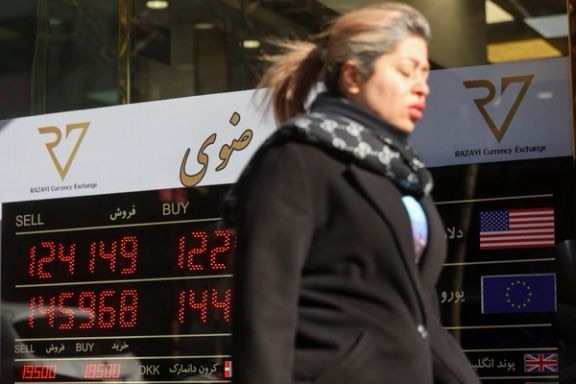
Iranian President Masoud Pezeshkian said on Thursday that his government will stop allocating the heavily subsidized 28,500-toman exchange rate, blaming the system for encouraging rent-seeking and failing to protect households despite billions of dollars in state spending.
Speaking at a meeting with political and social activists in Chaharmahal and Bakhtiari province, Pezeshkian said multiple exchange rates had largely benefited intermediaries rather than consumers. “Anyone who received the 28,500-toman dollar pocketed it, so we will not give it out anymore,” he said.
Iran has long used preferential exchange rates to support imports of basic goods and contain inflation, but critics argue the policy has fueled corruption and widened inequality, particularly under sanctions and high inflation. Pezeshkian said the government has spent about $18 billion on subsidies, adding the funds could be used more effectively to improve living standards.
The president stressed that subsidies will not be eliminated, but redirected to end consumers, with foreign currency allocations for sectors such as livestock feed moved to the final stage of the production chain.
Iran operates several exchange rates, with a wide gap between official and market levels that economists say incentivizes arbitrage. The preferential rate system was introduced in April 2018 under former president Hassan Rouhani amid mounting US sanctions.