Iranian Security Forces Accused of Mass Killings Amid Nationwide Protests
 Hussain Hazbavi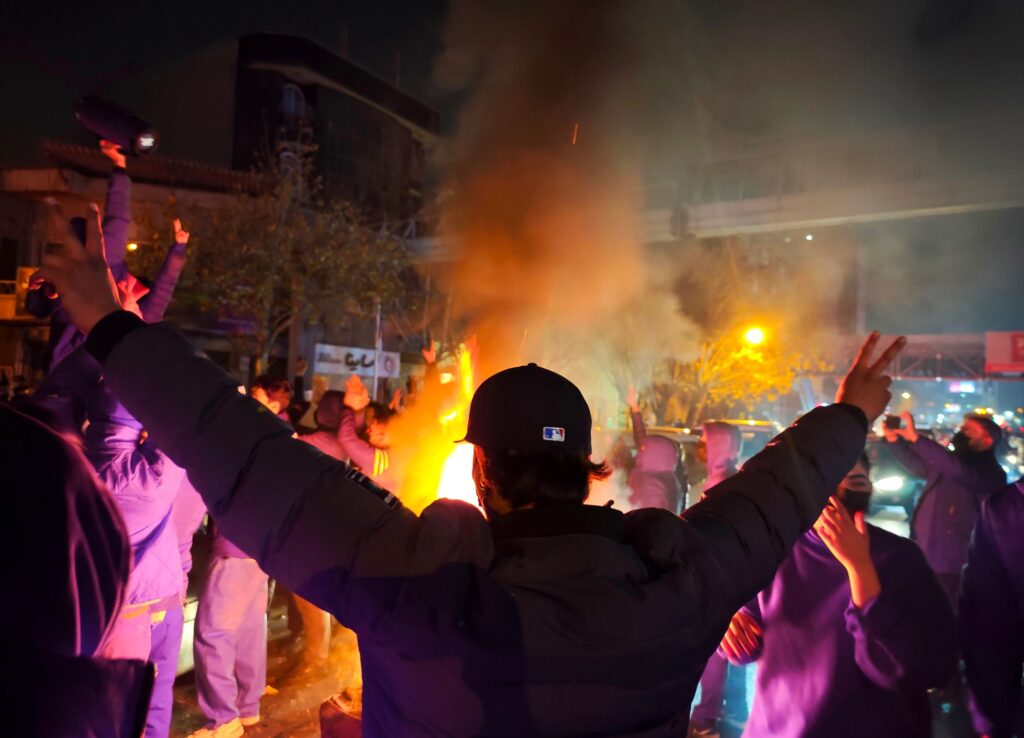
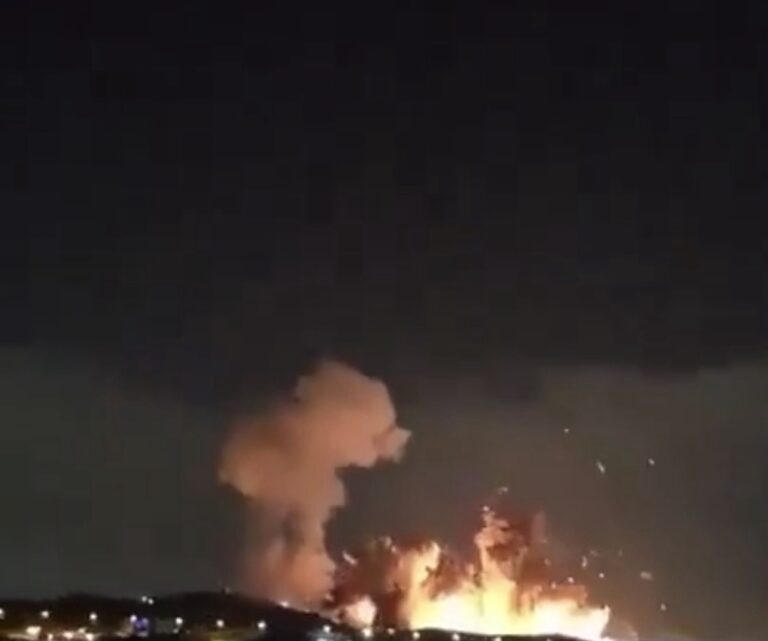
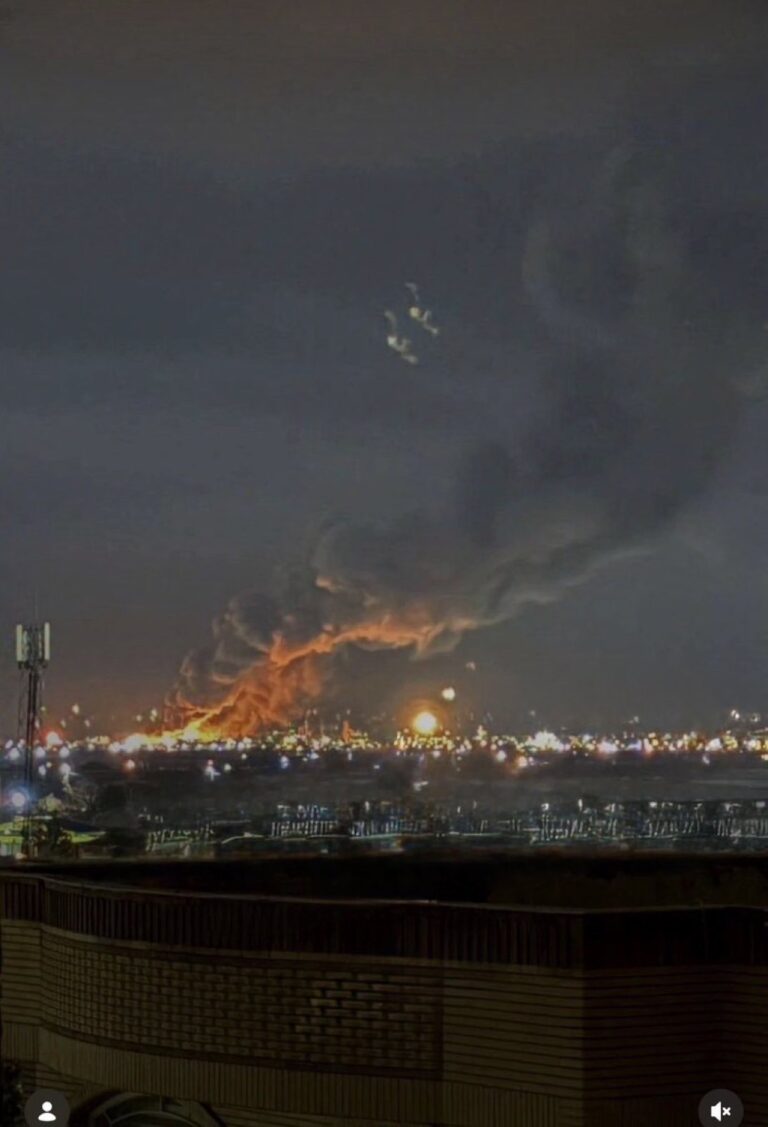
(Beirut, January 16, 2026) — Iranian security forces have carried out widespread killings of protesters following the escalation of nationwide demonstrations on January 8, 2026, Human Rights Watch said on Friday. Thousands of protesters and bystanders are believed to have been killed, while sweeping government restrictions on communications have obscured the true scale of the atrocities.
According to Human Rights Watch, security forces intensified their crackdown in a coordinated manner after January 8, resulting in large-scale killings and serious injuries across multiple provinces. Evidence reviewed by the organization indicates that many protesters were shot in the head and torso. Iranian officials quoted in domestic media have reportedly acknowledged that the death toll has reached into the thousands.
“The mass killings by Iranian security forces since January 8 are unprecedented and serve as a stark reminder that rulers who massacre their own people will continue committing atrocities until they are held accountable,” said Lama Fakih, program director at Human Rights Watch. “UN member states should urgently convene a special session of the UN Human Rights Council to place human rights and accountability in Iran at the center of the international response.”
Between January 12 and 14, Human Rights Watch interviewed 21 individuals, including eyewitnesses, relatives of victims, journalists, human rights defenders, medical professionals, and other informed sources. Some shared screenshots of witness accounts, audio messages, and images. The organization also analyzed 51 verified photos and videos from social media or directly provided to researchers and consulted the Independent Forensic Expert Group of the International Rehabilitation Council for Torture Victims, which reviewed images of injuries.
Despite severe communication blackouts, Human Rights Watch documented killings of protesters in several provinces, including Tehran, Alborz, Kermanshah, Razavi Khorasan, Gilan, Kohgiluyeh and Boyer-Ahmad, Markazi, and Mazandaran.
“Almost everyone you speak to now has a relative, friend, or acquaintance who has been killed or injured,” one interviewee said.
In Tehran, videos reviewed by Human Rights Watch show a heavily militarized response as protests intensified. Footage circulating from January 11 depicts body bags and corpses piled in and around the Forensic Diagnostic and Laboratory Center in Kahrizak, south of the capital, where families were brought to identify loved ones. Human Rights Watch counted at least 400 bodies visible in multiple videos from the site, noting this figure likely underrepresents the true number due to bodies being stacked atop one another.
In Kermanshah, a major city in western Iran, witnesses reported security forces firing directly at protesters. One witness sent audio recordings on January 8 describing heavy gunfire and tear gas, saying they were trapped on the streets as security forces blocked roads and opened fire.
The protests began on December 28, 2025, driven by worsening economic conditions and living standards, and rapidly spread nationwide. Demonstrators demanded dignity, human rights, and freedom, calling for the overthrow of the Islamic Republic. State officials have attempted to discredit the movement by labeling protesters as “rioters” and “terrorists.”
State-affiliated media reported that at least 121 members of the security forces were killed, and some verified footage shows protesters engaging in violence. Human Rights Watch said it could not independently verify these figures. However, the organization documented cases in which authorities pressured families of victims to falsely claim their relatives were members of the Basij militia as a condition for releasing bodies an established practice in previous crackdowns.
Witnesses also described security forces repeatedly using lethal force against unarmed protesters. Human Rights Watch said the widespread and unjustified use of firearms indicates a deliberate state policy of unlawful killings.
Under international law, including the UN Basic Principles on the Use of Force and Firearms, law enforcement may use force only when strictly necessary and proportionate. The UN Human Rights Committee has emphasized that firearms should never be used to disperse assemblies and may only be employed against specific individuals when necessary to counter an imminent threat to life.
Authorities have also severely restricted media coverage, blocked telecommunications, and shut down internet access, violating the right to freedom of expression. Human Rights Watch called for the immediate restoration of full internet and communication services.
Human Rights Watch urged UN member states to urgently convene a special session of the UN Human Rights Council and make clear that those responsible for grave human rights violations will be held accountable. The organization called on states to mandate the International Independent Fact-Finding Mission on Iran to conduct a special inquiry into the latest killings and issue concrete recommendations to advance accountability.
UN leadership and member states should also ensure the Fact-Finding Mission has sufficient resources to preserve evidence for future judicial proceedings, Human Rights Watch said.
“The horrific images of families searching through hundreds of body bags in an open-air morgue should shock the world into action,” Fakih said. “Those responsible — including at the highest levels — must be held accountable.”