Hussain Hazbavi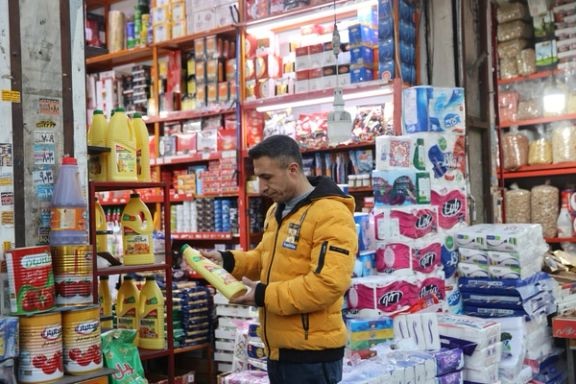
Iran’s national currency fell to a fresh record low on Tuesday in unofficial markets, underscoring deepening economic strains as authorities struggle to contain soaring prices and public discontent.
Traders said the US dollar was quoted at around 1.47 million rials, while the euro traded near 1.72 million rials and the British pound at about 1.94 million rials.
The latest decline comes after weeks of sharp volatility since late December, when the rial’s rapid slide helped spark protests in Tehran and several other cities. What began as demonstrations over rising living costs has increasingly taken on a broader political dimension.
In response, the government has floated new relief measures after moving to restrict access to subsidized foreign exchange previously used to import basic goods. Critics argue the subsidy system fueled market distortions and rent-seeking while failing to rein in inflation.
President Masoud Pezeshkian’s administration has signaled a shift toward direct support for households, including a proposed monthly electronic credit or coupon scheme aimed at protecting low-income families as the subsidy regime is phased out.
Iran’s economy has been battered by years of international sanctions and chronic inflation. During periods of political and economic uncertainty, many Iranians turn to hard currency and gold as stores of value, further pressuring the rial.